

The landscape of education is rapidly evolving, driven by technological advancements that aim to enhance learning experiences. Educational technology, or EdTech, is at the forefront of this transformation, integrating innovative tools and artificial intelligence (AI) to create dynamic educational environments. In this article, we will explore the latest EdTech trends reshaping the future of education and the impact they have on learners, educators, and institutions alike.

The Rise of AI in Education
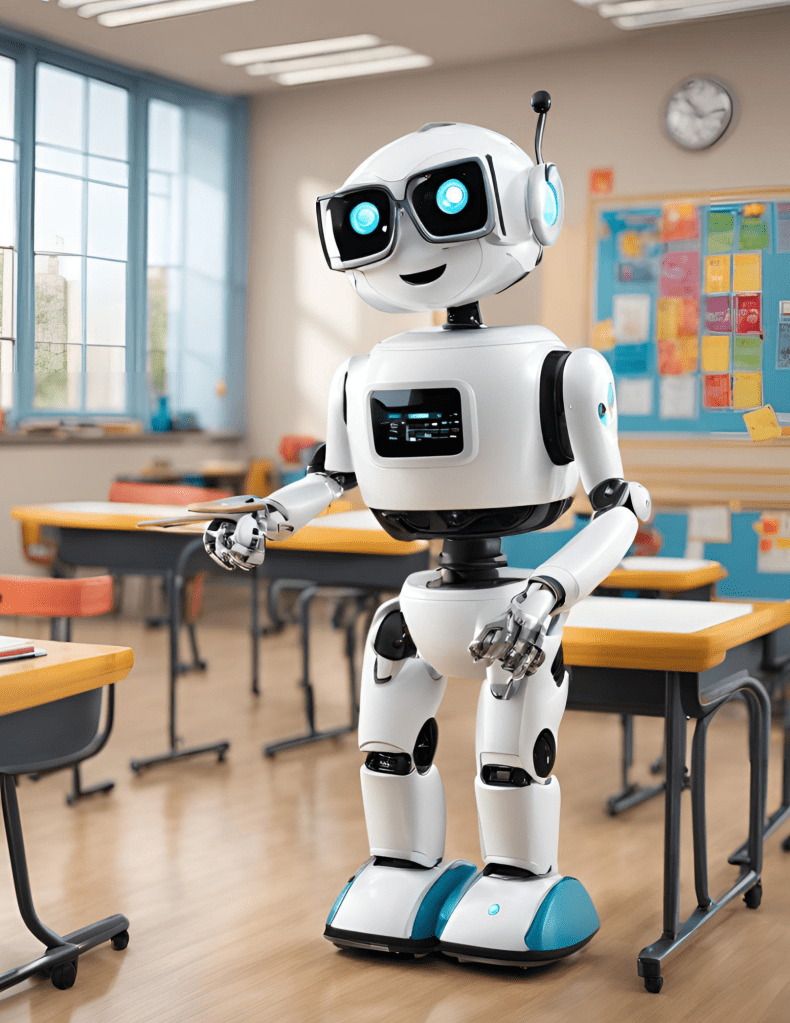
One of the most significant trends in EdTech is the integration of AI. By harnessing the power of machine learning and data analytics, educators can provide personalized learning experiences tailored to the individual needs of students.
Personalized Learning
AI-driven platforms are increasingly being used to analyze student performance and preferences, enabling:
- Adaptive Learning: Systems that adjust the difficulty of tasks in real-time based on the student’s mastery level.
- Tailored Content: The ability to recommend resources suited to each student’s learning style.
- Progress Tracking: Teachers can monitor student engagement and understanding, adjusting instruction as needed.
This level of personalization ensures that every learner can progress at their own pace, making education more effective and engaging.
The Role of Gamification
Gamification has emerged as a powerful tool to increase student motivation and engagement. By integrating game mechanics into educational settings, students are more likely to participate actively in their learning experience.
Key Features of Gamified Learning
Some effective features of gamified learning include:
- Badges and Rewards: Recognizing student achievements fosters a sense of accomplishment.
- Leaderboards: Encouraging healthy competition among peers can boost motivation.
- Interactive Challenges: Engaging students through problem-solving activities enhances critical thinking skills.
Through the use of gamification, educators can create a more stimulating learning environment that encourages students to take ownership of their education.
Virtual and Augmented Reality (VR/AR)
Virtual and augmented reality technologies are transforming traditional classroom experiences into immersive learning opportunities. These tools allow students to explore and interact with content in ways that were previously unimaginable.
Benefits of VR/AR in Education
Utilizing VR and AR in educational settings offers a plethora of benefits:
- Enhanced Engagement: Immersive environments capture students’ attention and enhance focus.
- Experiential Learning: Students can conduct virtual experiments or explore historical events firsthand, deepening understanding.
- Safe Learning Environments: VR allows for practice and exploration without the risks associated with real-world scenarios.
As technology continues to evolve, the potential for VR and AR in education will only expand, revolutionizing how knowledge is imparted and absorbed.
Collaborative Learning through Online Platforms
The shift to online learning platforms has accelerated, especially in light of recent global events. These platforms enable collaborative learning environments that transcend physical barriers, fostering a sense of community among students.
What Makes Online Collaboration Effective?
Effective online learning platforms provide:
- Discussion Forums: Allowing students to share ideas and perspectives enhances understanding and critical thinking.
- Group Projects: Encouraging teamwork helps students develop communication and collaboration skills vital in the workplace.
- Live Interaction: Real-time video sessions facilitate direct engagement between students and instructors, mimicking classroom dynamics.
By creating opportunities for meaningful interaction, online platforms enhance the educational experience for learners everywhere.
The Importance of Data Analytics
In an increasingly data-driven world, the importance of data analytics in education cannot be overstated. Educators and institutions can leverage data to enhance learning outcomes significantly.
How Data Analytics is Transforming Education
Data analytics allows for informed decision-making through:
- Identifying Learning Trends: Analyzing performance data can highlight areas where students struggle.
- Informed Curriculum Design: Institutions can adapt their programs based on data insights to better meet student needs.
- Predictive Analysis: Forecasting potential challenges enables proactive measures to support at-risk students.
Through effective use of data, educators can create a more responsive educational environment conducive to success.
The Future of EdTech: Trends to Watch
As we look ahead, several emerging trends are poised to further influence the trajectory of EdTech:
- Blockchain Technology: Enhancing record-keeping and credential verification.
- Artificial Intelligence Tutors: Offering guidance and support to students 24/7
- Increased Focus on Mental Health: Incorporating tools that support the emotional well-being of students.
These innovations will continue to shape how knowledge is delivered and experienced, making education more efficient and engaging than ever before.
Conclusion
And there you have it—an insightful look at the future of EdTech, brought to you by none other than… me, an AI. Yep, while you were reading about how AI is revolutionizing education, I was over here, doing my part by writing the whole thing. Talk about practicing what you preach! But don’t worry, human educators aren’t going anywhere—after all, someone still has to take credit for all this brilliant innovation (and remind students to turn in their homework). The future of learning is bright, tech-driven, and, apparently, written by robots. Who knew? 🚀
 livinlearn.blog
Leave a comment